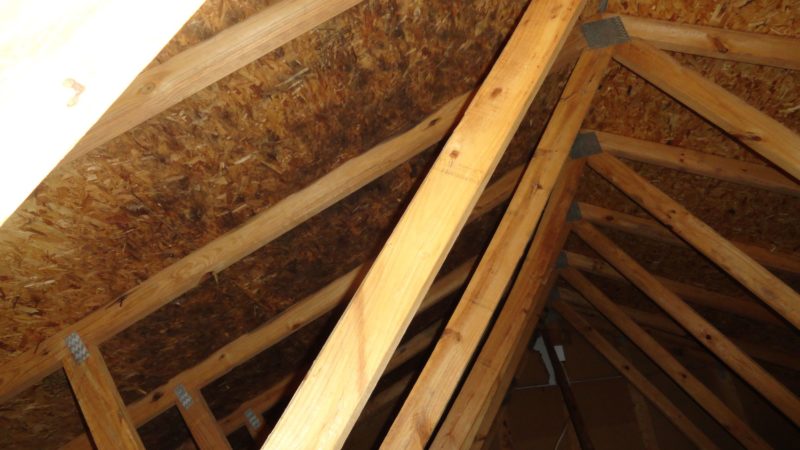
The presence of mold in your attic is often the result of poor ventilation insufficient insulation moisture from a roof leak or improper venting from your bathrooms or kitchen.
Green mold on underside of roof sheathing.
Increasingly homeowners in the pacific northwest are noticing mold on the underside of their roof sheathing.
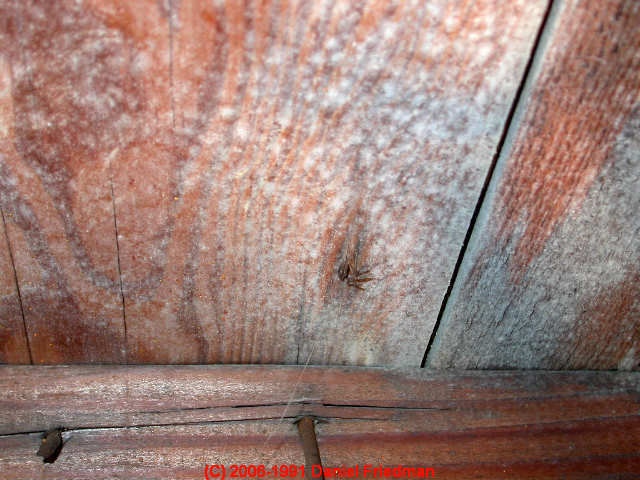
White and green fuzzy growth on osb sheathing.
This latter phenomenon occurs when the house is too humid and the warm moist air seeps into the attic where it condenses and freezes on cold attic areas.
Attic mold left unchecked can grow and lead to structural deterioration of attic sheathing and roof structural elements.
Best procedures for cleaning mold contaminated wood.
After several years of this there may be.
Why mold grows mold usually causes a musty odor and may cause staining that may be black brown gray white yellow or green.
Condensation occurring on the underside of plastic in the attic.
The mold growth and sheathing damage is limited to a small area.
In the vast majority of cases the mold growth is caused by condensation.
This article offers advice on cleaning mold found on surfaces of un finished wooden building materials such as framing lumber rafters floor joists wall studs and building roof wall and floor sheathing such as plywood tongue and groove pine boards and other structural wood surfaces in buildings.
Mold on attic sheathing mold growth on attic roof sheathing is a common issue in cool climates such as the pacific northwest.
Mold that grows on the underside of roof sheathing due to ideal mold growth conditions being present.
Mold on the underside of roof sheathing is also very common.
Below is a typical roof leak.
But these would still only affect a small area.
Mold growth provided it is not just cosmetic mold which can simply be left alone can be cleaned from wood surfaces by blasting scrubbing or even simple surface wiping depending on the surface accessibility and.
This phenomenon occurs in vented attics and is more common in new homes than old homes.
Condensation determining the cause of attic mold.
The mold itself may have a cottony texture but can also be velvety.
One puzzling aspect of the phenomenon is that the mold is found in well built homes that comply with all relevant building codes.